Intimacy after NFP transitions can feel disorienting. Here's how Catholic couples can stay emotionally and physically close through every season of fertility.
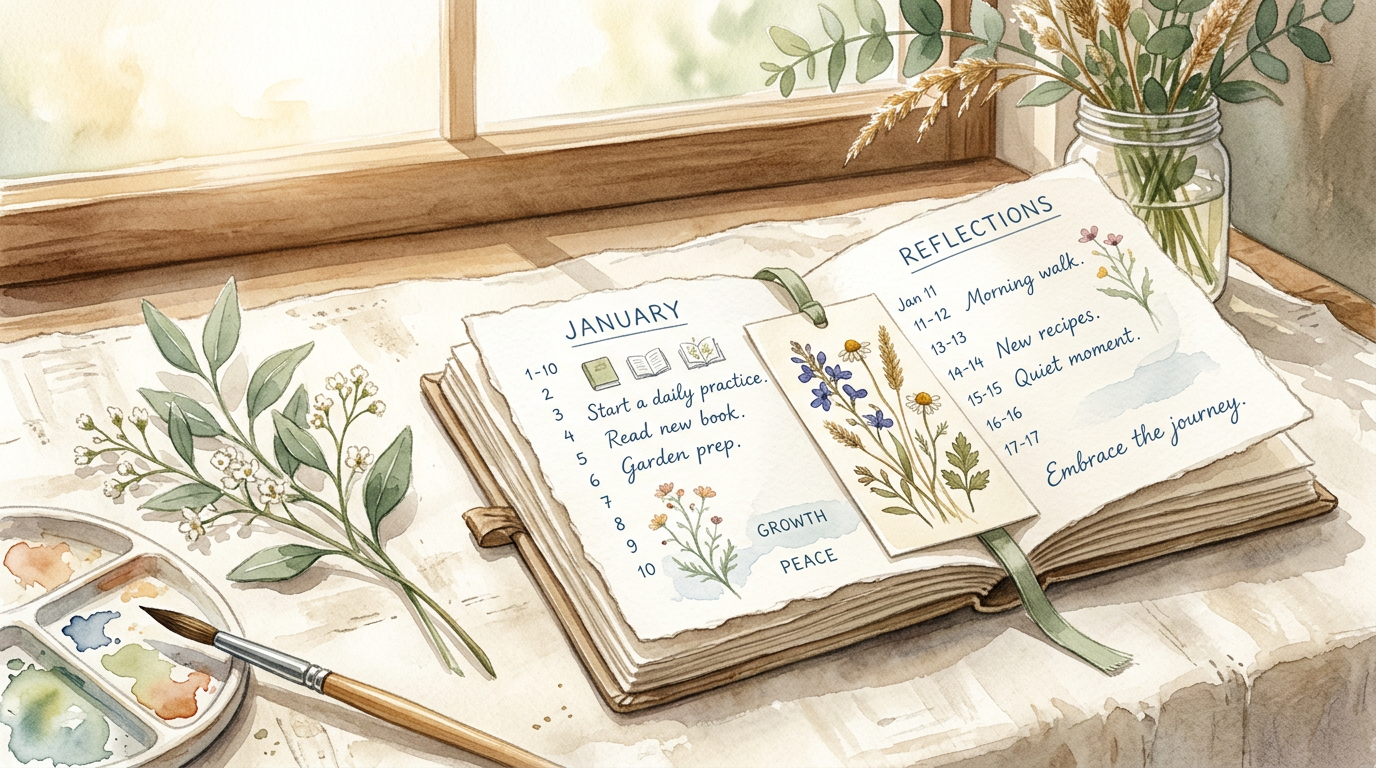
The body never stops speaking a language of gift; NFP transitions just ask us to learn a new dialect.
There is a particular kind of loneliness that settles between spouses during a fertility transition — not the dramatic loneliness of a fight or a betrayal, but the quiet kind. The kind where you reach for your husband in bed and realize you are both a little bit lost, and neither of you has the words yet.
If you have been there, you know exactly what I mean. And if you are there right now, I want you to know: this is one of the least-discussed struggles in Catholic married life, and it is far more common than your NFP instructor’s brochure let on.
What We Mean by an NFP Transition
“NFP transition” covers more ground than most couples expect when they first start charting. Yes, it includes switching from one method to another — say, moving from Creighton to Marquette because postpartum mucus patterns have become unreadable. But it also includes the shift from avoiding pregnancy to actively seeking it, the return of fertility after weaning a baby, the slow and irregular journey through perimenopause, and the particular weight of sitting with a fertility workup whose results were not what you hoped.
Each of these moments shares something in common: the rhythm you had built together — the shared shorthand of your chart, the unspoken understanding of when the window opens and closes — gets disrupted. The map you were using no longer matches the terrain. That disorientation is real, and it deserves to be named before we talk about anything else.
Why Intimacy Takes the Hit
Couples are sometimes surprised by how much an NFP transition affects closeness that has nothing to do with the fertile window. The disruption is not only logistical.
When you are re-learning your body or your spouse’s body, there is a kind of vigilance that sets in. Charting becomes heavier — more loaded with hope or dread. And that emotional weight does not stay neatly on the observation chart. It migrates. It shows up as a small withdrawal before bed, or a tension that neither person can quite explain over dinner. Research on couples navigating fertility challenges consistently suggests that the emotional strain tends to suppress exactly the spontaneous, low-stakes affection that keeps a marriage warm between its bigger moments.
There is also grief to account for. Transitions often carry loss — of a rhythm that worked, of an expected timeline, of a particular vision of family size. Grief shared is grief made bearable. Grief carried alone, especially when the person you most want to share it with is also grieving, quietly hollows out the space between you.
The Theology of the Body in a Season of Uncertainty
John Paul II’s Theology of the Body does something quietly radical with fertility: it refuses to make it the point of the marriage. The spousal gift, in his understanding, is the total self-giving of one person to another — body, soul, history, and uncertainty included. Fruitfulness is a dimension of that gift, not its prerequisite.
This matters enormously during a transition, because the temptation is to treat the current season as a parenthesis — a waiting room before real married life resumes. Theology of the Body pushes back gently on that instinct. The gift is total and ongoing. It does not pause because the chart is confusing or the results were hard.
Humanae Vitae § 21 offers a related insight that is easy to miss: periodic continence, Paul VI writes, is not merely a permissible accommodation but a genuine “school of love.” The word school is doing real work there. A school is a place of active formation, not passive waiting. Every new season of NFP — even a disorienting one — is an invitation to learn something about your spouse, about yourself, and about the nature of self-giving that you could not have learned in the easier season before it.
That does not make the hard season hurt less. But it does mean it is not wasted.
Practical Ways to Stay Close While the Chart Settles
Concrete suggestions feel almost too small against the emotional terrain described above, and yet they matter. Here are a few that couples have found genuinely helpful:
Separate charting conversations from the bedroom. Designate a specific time — morning coffee, a walk after dinner — for talking about observations, decisions, and anxieties about the transition. The bedroom itself deserves some protection from the weight of fertility math.
Invest deliberately in non-sexual physical affection. A long hug at the kitchen counter, a hand rested on the back of the neck while one of you reads — these are not consolation prizes for the fertile window. They are the tissue of spousal intimacy, and they tend to be the first thing to quietly disappear under stress. Put them back. A quality natural massage oil can help make intentional, unhurried touch a regular ritual even in harder seasons.
Name the grief out loud, even badly. You do not need the right words. “I don’t know how to feel about where we are right now, and I think it’s getting between us” is more than enough. Speaking it together changes its shape.
Resist the urge to make every intimate moment load-bearing. When a couple is in a difficult transition, there can be an unconscious pressure for physical intimacy to resolve all the anxiety about the future. It rarely does, and when it doesn’t, the disappointment compounds. Lowering that expectation — and simply being present — is its own form of closeness.
When There Is Real Loss in the Transition
Some NFP transitions carry a particular grief: the diagnosis that changes the fertility picture permanently, the miscarriage that arrives in the middle of an already uncertain season, the series of negative tests that accumulates into something heavier than disappointment. For couples in an active TTC season, it can also be worth attending to nutritional foundations — we’ve reviewed fertility supplements grounded in research for those who want to support their bodies faithfully alongside the spiritual work.
Intimacy after news like that is its own particular challenge, and it deserves its own pastoral acknowledgment. Physical closeness can feel complicated — sometimes wanted desperately, sometimes almost impossible. Both responses are human, and neither means something has gone wrong with the marriage.
What tends to help, more than any technique, is the deliberate choice to mourn as a we rather than two parallel I’s. For couples who find this kind of honest sharing difficult, improving how you communicate with your spouse is worth attending to alongside the fertility work. Research on couples who have faced pregnancy loss and infertility suggests that partners often grieve on different timelines and in different registers — one withdrawing, one reaching out — and that the divergence itself can feel like abandonment when it is actually just the shape grief takes. Naming this dynamic, ideally before the hardest moments arrive, creates a small but crucial margin of grace.
The Theology of the Body has something to say here too: the spousal body is not merely a vehicle for fertility. It is a person. Receiving your spouse’s grief with your whole self — sitting with them in the dark without trying to fix the chart or the diagnosis — is one of the most profound acts of spousal gift-giving available to you.
You Are Still Spouses First
Whatever season you are moving through, your identity as a sacramental union precedes it. You were given to each other before the first chart was ever drawn, and you will still be given to each other when the charting is long behind you.
NFP, for all its beauty, is a tool in service of a marriage — not the other way around. The transitions it asks you to navigate are real and sometimes painful, but they are also revelatory. They show you what your closeness is made of when the easy rhythms are unavailable. They ask you to choose your spouse again, not because the season is comfortable, but because the covenant is.
That daily choosing — in small moments, in hard conversations, in the ordinary tenderness of showing up for each other — is where the school of love does its most lasting work.