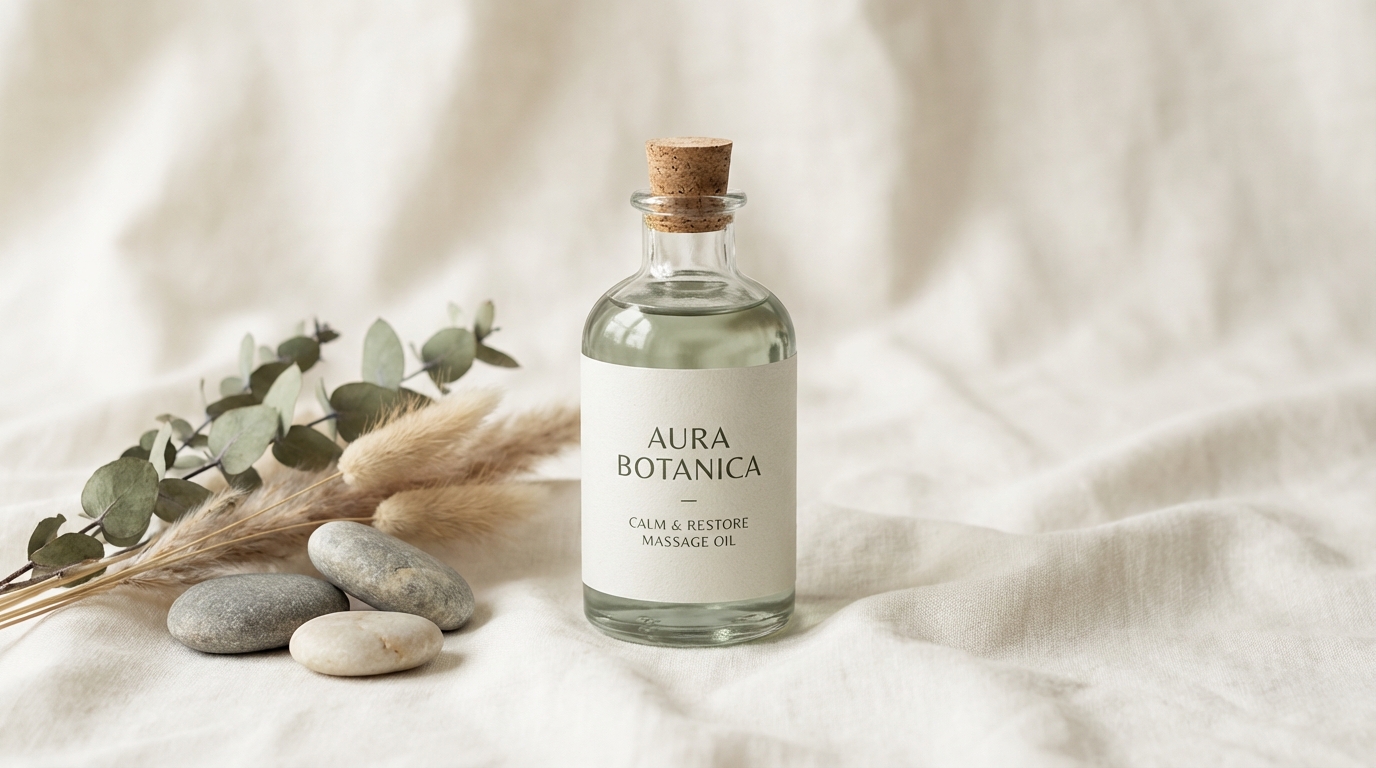
Why Touch Deserves More Intentionality in Marriage
There is a quiet erosion that happens in many marriages, so gradual that most couples don’t notice it until it has already done its work. The unhurried, non-transactional touch of early courtship — the hand held for no reason, the slow back rub at the end of a hard day — slowly gives way to a more functional rhythm. Life gets full. The kids get loud. The calendar wins.
John Paul II, in his Theology of the Body catecheses, spoke of the body as capable of expressing “the sincere gift of self” — an idea explored in depth in our piece on love languages and Theology of the Body. That gift-language isn’t reserved for the marriage bed alone. It lives in every moment of attentive physical presence — in the hand on a shoulder, the forehead pressed to forehead, the deliberate act of asking how are you carrying your body today? When spouses stop touching each other tenderly and without agenda, they lose one of the most natural vocabularies of the conjugal covenant.
Massage is, frankly, one of the lowest-barrier ways to reclaim that vocabulary. You don’t need training, a spa, or a free Saturday. For couples who want to understand the deeper theological grounding for why physical touch matters in marriage, our piece on why intimacy is at the heart of a sacramental marriage offers a substantive answer. You need fifteen minutes, a willing heart, and — it helps — an oil that doesn’t feel like salad dressing or smell like a candle shop.
What to Look For (and Avoid) in a Massage Oil
Not all massage oils are created equal, and for couples prioritizing clean living, the label deserves a second look before anything touches skin.
Ingredient transparency is the first filter. Oils with a short, recognizable ingredient list — jojoba, sweet almond, fractionated coconut, arnica — are generally preferable to those padded with synthetic fragrance compounds or petroleum-derived emollients. If you can’t pronounce something and can’t find it on a reputable ingredient glossary, that’s worth noting.
Scent intensity matters more than people expect. A massage oil that smells beautiful in the bottle can become overwhelming at close range. Look for options that describe their scent as “light” or that offer an unscented variant.
Skin compatibility is especially relevant for couples where one partner has sensitive skin or a tendency toward reactions. Pure carrier oils — jojoba and fractionated coconut in particular — are among the most well-tolerated.
Linen safety is the one nobody thinks about until it’s too late. Darker or heavily-herbed oils can stain sheets. Keep an old set of linens or a dedicated throw within reach, or opt for lighter-colored, faster-absorbing formulas.
Finally, viscosity and absorption rate shape the whole experience. An oil that absorbs too quickly requires constant reapplication; one that sits on top of the skin indefinitely can feel greasy. The sweet spot is an oil that gives you a few minutes of glide before sinking in warmly.
Our 5 Recommended Picks for Catholic Couples
1. Foria Intimacy Massage Oil ★★★★★
Best for: Couples who want clean ingredients and a formula designed specifically for intimate contexts.
Foria has built a reputation for ingredient honesty in a category that often sidesteps it. Their Intimacy Massage Oil uses a small roster of recognizable botanicals — built on a natural coconut-oil base and completely fragrance-free — absorbs without a greasy finish, and carries a scent that is present without being assertive. It’s the pick we return to most often, and the one we’d recommend without hesitation to couples new to intentional massage practice.
Foria Intimacy Massage OilNatural coconut-oil base, fragrance-free2. Weleda Arnica Massage Oil ★★★★½
Best for: Sore muscles after a long week — practical tenderness at its finest.
Weleda’s arnica formula has been trusted in European households for decades. It’s warm, slightly herby in scent, and genuinely effective at easing physical tension. It runs a little darker in color, so the dedicated-linens rule applies, but the quality and transparency of the ingredient list is excellent. This is the oil to reach for when your spouse comes home carrying stress in their shoulders.
3. Badger Curative Herbal Massage Oil ★★★★
Best for: Certified-organic purists who want third-party verification.
Badger is a B Corp with rigorous sourcing standards, and it shows in this formula. Olive oil as the base gives it a richer, slower-absorbing feel — which can be exactly right for a longer, more deliberate massage session. The rosemary and ginger notes are invigorating rather than relaxing, so be intentional about when you reach for it.
4. NOW Solutions Pure Jojoba Oil ★★★★
Best for: Sensitive skin, minimalists, and couples who want to layer their own essential oils.
Sometimes the best option is also the simplest. Pure jojoba is technically a liquid wax rather than an oil, which is part of why it absorbs so cleanly and rarely causes reactions. It has almost no scent of its own, making it an ideal carrier if you want to add a few drops of lavender or bergamot. Research suggests jojoba is among the most skin-compatible topical options available — a meaningful consideration for anyone with reactive skin.
5. Plant Therapy Fractionated Coconut Oil ★★★★
Best for: Budget-conscious couples and those building a routine from scratch.
Fractionated coconut oil has been refined to remove the components that make regular coconut oil solid at room temperature and prone to going rancid. What remains is a clear, lightweight, shelf-stable oil that glides beautifully and absorbs without residue. Plant Therapy’s sourcing is transparent and the price point means you won’t hesitate to use generously.
A Simple Ritual to Make It a Habit
The goal is not a professional massage. The goal is presence.
Pick an evening — the same one each week, if possible. After the children are in bed and the last screen is dark, invite your spouse to lie down. For couples looking for a complete weekly ritual that includes this kind of intentional presence, the weekly marriage check-in routine pairs naturally with a massage practice. Ten minutes is enough. You don’t need a technique; you need attentiveness. Ask where they’re holding tension. Let your hands be slow and unhurried. When it’s done, sit together for a moment before returning to the ordinary.
What you’re practicing, in the language of Theology of the Body, is the spousal meaning of the body — the capacity of physical presence to say you are seen, you are cherished, you are not alone. An oil won’t do that for you. But the right one removes friction from the practice, and sometimes that’s exactly what a good habit needs to take root.
Marriage is a long journey, and tenderness is one of its most renewable resources. Take good care of it. For couples specifically in the postpartum season where physical recovery shapes what intimacy looks like, our guide to healing after birth covers the natural products that support that return to closeness.